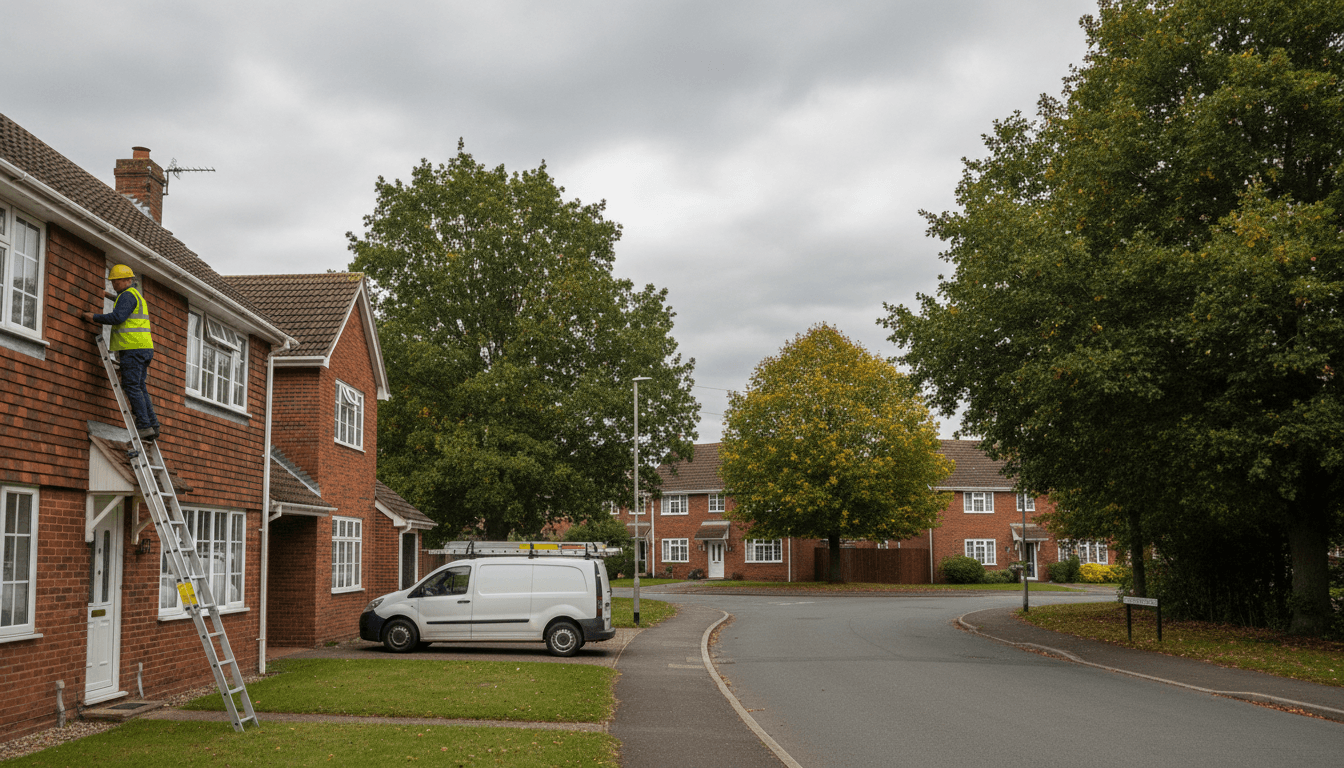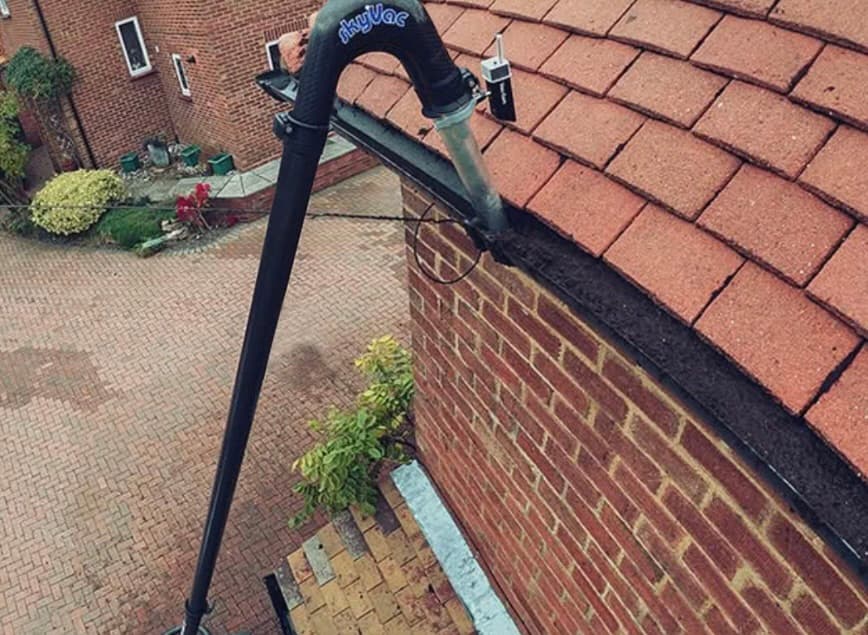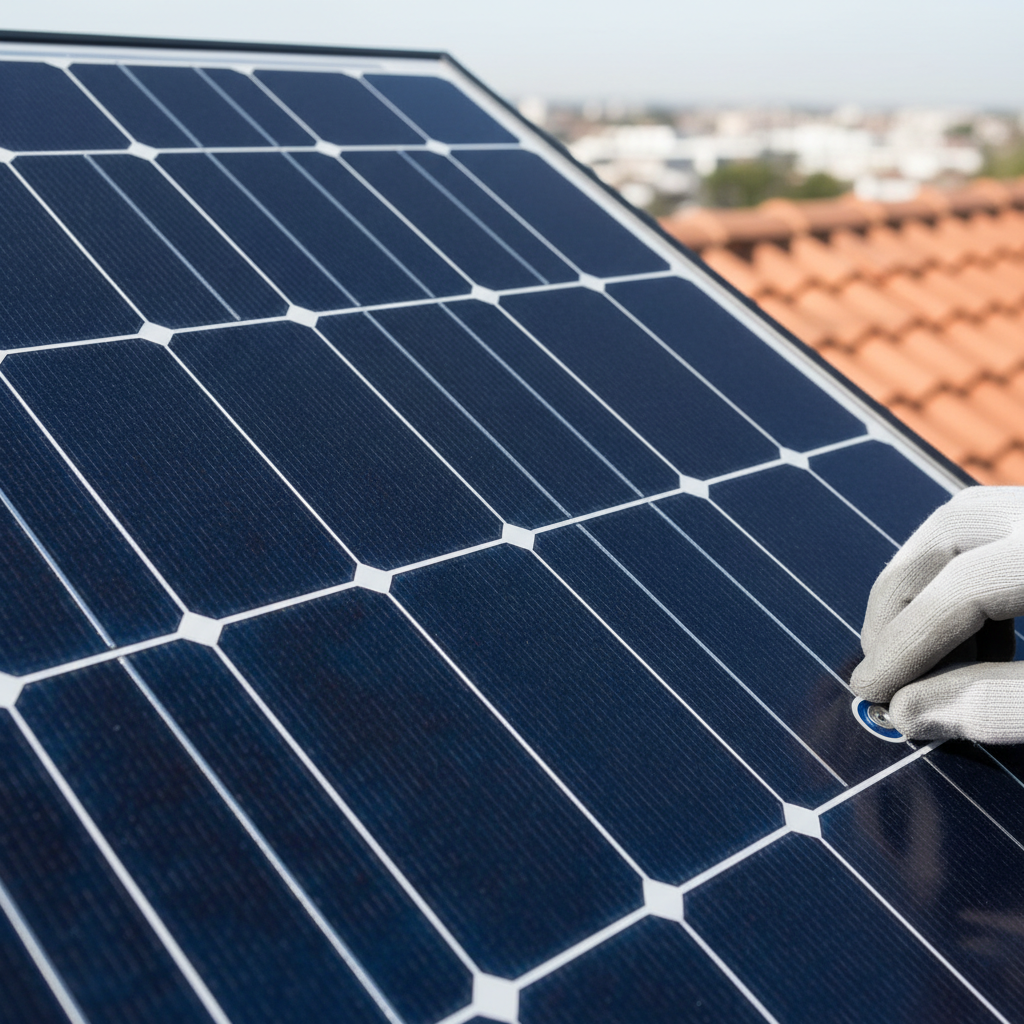
Performing solar panel cleaning before winter ensures your system captures maximum sunlight during months with shorter days and lower light intensity. Removing accumulated autumn debris like fallen leaves and grime prevents avoidable energy loss; this maintenance step is essential for maintaining peak efficiency throughout the coldest part of the year.
As the Hampshire days shorten and the temperature drops, homeowners across the South East are bracing for rising energy costs. Your solar panels are your primary defense against these bills; however, many systems are currently blanketed in a layer of harvest dust, traffic film, and fallen leaves. This grime creates a physical barrier that prevents weak winter sunlight from reaching the photovoltaic cells. Because every photon counts during these limited daylight hours, neglecting maintenance now can significantly impact your return on investment. In this guide, we will analyze the physics of seasonal light and provide a detailed cost benefit analysis for 2026. We will also explore why autumn serves as the optimal window for professional cleaning, ensuring your system operates at peak efficiency until the spring sun returns.
The Physics of Winter Sunlight: Why Every Photon Counts
In the South East, winter energy generation is a game of thin margins. While many homeowners assume solar panels hibernate during the colder months, the physics of photovoltaic (PV) cells tells a different story. Solar panels are actually more efficient in cold temperatures because the reduced heat allows electrons to move with less resistance. However, this technical advantage is typically cancelled out by the UK’s shorter daylight hours and the sun’s lower position in the sky. When the sun sits low on the horizon, its rays must travel through a thicker layer of the Earth’s atmosphere, losing intensity before they reach your roof in Winchester or Basingstoke.
This environmental reality is why solar panel cleaning before winter is a critical technical requirement rather than just a cosmetic task. A key concept to understand is startup voltage. For your solar system to begin converting light into usable electricity, the panels must reach a specific voltage threshold to activate the inverter. If your panels are covered in a fine film of autumn grime, salt spray, or traffic pollution, they may never hit that threshold on a dim December morning. While a dirty panel might still generate power during the peak sun of July, that same layer of dirt can prevent the system from even waking up during the winter months.
Homeowners often ask if solar panels still work on cloudy days. The answer is yes; they utilize diffuse light that penetrates through the cloud cover. However, when you combine heavy cloud with a layer of surface debris, the amount of light reaching the silicon cells drops significantly. As a Hampshire exterior cleaning specialist, Gutter Sparkle sees firsthand how even a light coating of seasonal residue can lead to a total loss of generation on overcast days. Securing professional solar panel cleaning before the darkest days of the year ensures that every available photon is captured, maximizing your ROI when energy prices are at their seasonal peak.
The Autumn Grime Factor: From Harvest Dust to Falling Leaves

The transition from summer to autumn introduces a specific cocktail of debris that adheres to glass surfaces across the South East. In rural parts of Hampshire and Wiltshire, the harvest season releases significant amounts of agricultural dust and chaff into the air. This fine particulate matter settles on solar arrays, forming a granular layer that diffuses light. For properties in more wooded areas, such as the New Forest or the Surrey Hills, sticky honeydew secreted by aphids often coats the panels. This substance acts as a biological adhesive, trapping soot and pollutants that would otherwise blow away.
Falling leaves present a more acute technical risk. When a single leaf or a clump of organic debris rests on a panel, it creates a localized shade. Because solar cells are typically wired in series, shading a single cell can cause it to act as a resistor. This creates a hotspot where the cell dissipates energy as heat rather than conducting it. Over time, these hotspots can cause permanent thermal damage to the panel laminate, leading to premature failure and potentially voiding manufacturer warranties.
A common misconception among homeowners is that the increased rainfall in October and November provides a natural wash. In reality, light autumn rain often lacks the volume and pressure required to clear stubborn residue. Instead, it frequently mixes with existing dust and pollen to create a muddy film. Once this slurry dries, it leaves a persistent, opaque coating that further inhibits light penetration. Arranging for professional solar panel cleaning at this stage removes these varied contaminants, ensuring your system is physically prepared for the low-light months ahead. If you have concerns about debris accumulation on your roof, you can contact Roof Sparkle for an expert assessment of your system’s needs before the winter sets in.
Is Solar Panel Cleaning Worth It? A Cost Benefit Analysis for 2026
When evaluating the financial viability of maintenance, it is essential to look at the current market data for 2026. For most homeowners across Hampshire and Surrey, the cost of professional solar panel cleaning typically ranges from £4 to £15 per panel, depending on roof height and the complexity of access. For a standard residential array, this usually equates to a total investment of approximately £100 to £150. While this is a tangible upfront cost, the alternative is a hidden, ongoing drain on your household budget.
Industry research indicates that an accumulation of seasonal grime can reduce a system's efficiency by 15% to 25%. In the South East, where energy prices often peak during the colder months, this drop in performance represents a significant financial loss. By neglecting solar panel cleaning before winter, you are effectively forced to purchase expensive grid electricity to make up for the power your panels failed to generate. When viewed as a cost-benefit analysis, the service often pays for itself through recovered generation and the prevention of long-term hardware degradation.
As a Hampshire exterior cleaning specialist, Roof Sparkle views this as an investment in your property's ROI rather than a simple chore. Maintaining the integrity of the glass and the health of the cells ensures that the high-value asset on your roof continues to perform for its intended 25 year lifespan. If you have noticed your generation numbers dropping as the days get shorter, you can contact Roof Sparkle for a specific quote based on your system size and location.
Why Autumn is the Optimal Seasonal Window
Beyond the financial logic, the timing of professional solar panel cleaning is governed by safety and seasonal logistics. Scheduling maintenance during the transition from late summer to autumn provides a vital safety window. As a Hampshire exterior cleaning specialist, we prioritise completing these tasks before the onset of morning frosts and persistent winter damp. Once temperatures drop, roof surfaces in areas like the South Downs or the Surrey Hills become treacherous, often remaining slick with moisture throughout the day. Executing a clean in October ensures the work is completed under stable conditions, avoiding the logistical delays caused by winter gales or icy tiles.
Furthermore, this seasonal window perfectly prepares your system for the specific character of British winter sunlight. While December and January are often grey, they frequently feature bright but brief periods of intense, clear sunlight following cold fronts. These windows of high irradiance provide a surprising boost to energy storage, but only if the glass is pristine. By removing the summer's accumulation of dust and the autumn's organic debris now, you ensure your array is primed to capitalise on every minute of these high-yield intervals. If you want to secure a slot before the frost arrives, you can contact Roof Sparkle to discuss your property's specific requirements.
Common Solar Panel Maintenance Questions in the South East
Navigating the specifics of solar maintenance requires an understanding of the South East's unique microclimates. A frequent question we encounter is how often systems actually require professional attention. While general guidelines from the Energy Saving Trust suggest a service every 12 to 18 months, the reality in Hampshire and Surrey depends heavily on your immediate environment. Properties along the coast, from Hayling Island to Lymington, often contend with salt spray. This salt dries into a white, crystalline crust that is particularly stubborn and highly effective at blocking sunlight. Conversely, homes in inland, damp areas like Winchester or the New Forest frequently deal with heavy moss and lichen growth. These organisms do not just block light; they can take root in the panel frames, potentially compromising the structural seals over time.
Another common technical query involves the ideal operating temperature for PV cells. Many homeowners are surprised to learn that solar panels actually perform most efficiently in colder temperatures. High heat increases electrical resistance, which reduces the panels' ability to generate power. However, this efficiency gain in winter is only useful if the cells are receiving unobstructed light. This is why solar panel cleaning before winter is so vital. It allows the panels to take full advantage of their cold-weather efficiency without being hampered by the residue of the previous seasons.
If you are noticing a decline in output or visible growth on your array, it is likely time for professional solar panel cleaning. As a Hampshire exterior cleaning specialist, Roof Sparkle recommends a bespoke approach based on your proximity to the coast or woodland. You can contact Roof Sparkle to determine the best maintenance schedule for your specific location and ensure your system remains at peak performance.
Professional Solar Cleaning vs DIY: Safety and Results

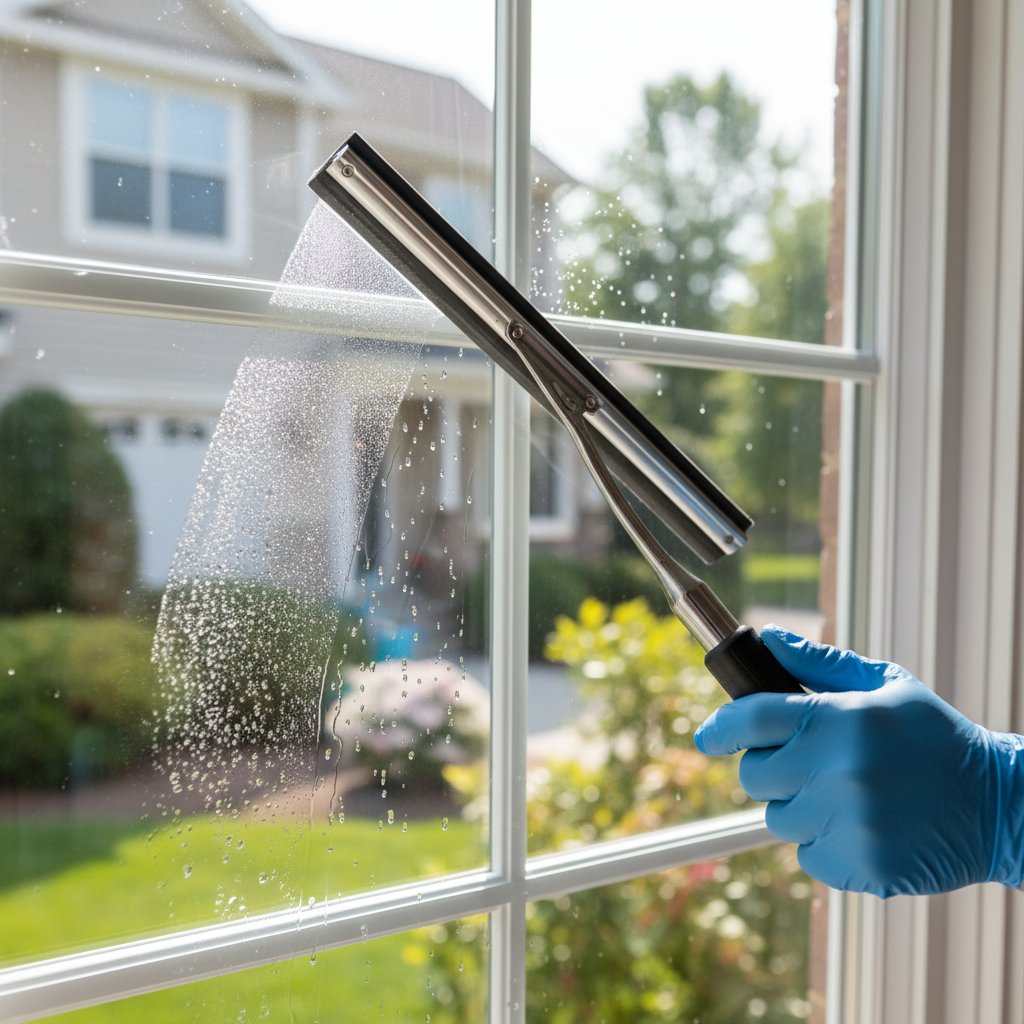
Attempting a DIY approach to solar maintenance often introduces risks that far outweigh any perceived savings. The most immediate concern is physical safety; solar glass is designed to be low-friction to help rainwater run off, making it exceptionally slippery when wet or soapy. Attempting to balance on a ladder with a squeegee is a recipe for serious injury, particularly on the complex rooflines found in older Hampshire properties. Furthermore, many homeowners unknowingly use standard tap water, which is a significant technical mistake in the hard water areas of the South East. As tap water evaporates, it leaves behind limescale deposits and mineral spots. These white marks act like tiny mirrors, reflecting sunlight away from the cells and further reducing the system's efficiency.
A Hampshire exterior cleaning specialist like Roof Sparkle employs technical equipment designed specifically for these challenges. We utilize reach-and-wash systems that allow our technicians to clean most arrays from the safety of the ground or stable platforms. Crucially, we use 100% deionised water. By stripping the minerals and impurities from the water, it becomes a powerful cleaning agent that absorbs grime without the need for harsh detergents that could degrade the panel’s delicate anti-reflective coating. This process ensures a streak-free finish that allows for maximum light penetration.
Applying these professional standards is essential when performing solar panel cleaning before winter. Our team handles both residential and commercial properties across Hampshire, Surrey, and Berkshire, ensuring every installation is treated with the care required to protect manufacturer warranties and maximize energy yield. If you want to ensure your system is handled safely and effectively, you can contact Roof Sparkle to arrange a professional clean for your property.
Maximizing your solar efficiency during the shorter winter days starts with a clean surface. By removing the buildup of dirt and grime now, you ensure your Hampshire home stays as energy-efficient as possible throughout the colder months. While some homeowners prefer to handle this themselves, working with an experienced team can save you time and ensure the job is done safely. If you want expert help getting your system ready for the season, you can learn more about our approach to professional cleaning. We are here to help your home shine.